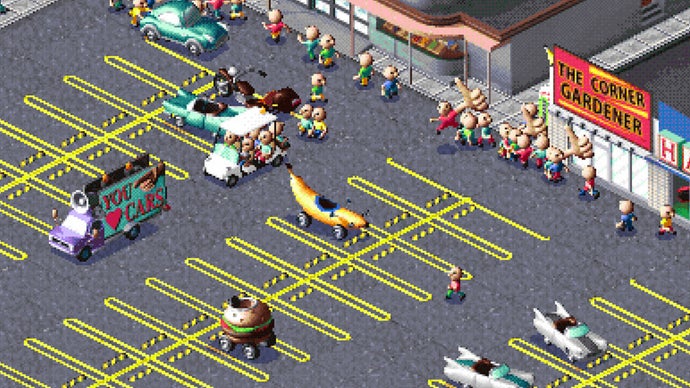
A browser city-building game where the simulated city resists the player's decisions, a satirical take on housing and urban planning. It drew heavy discussion on HN.
Novel city-sim design with systemic, emergent opposition mechanics.
Gamedev, procedural generation, sims, Unity, AI tooling, space and books. 21 picks today from 48 sources, scored for me by Claude, refreshed every morning. RSS feed · Back to the blog

A browser city-building game where the simulated city resists the player's decisions, a satirical take on housing and urban planning. It drew heavy discussion on HN.
Novel city-sim design with systemic, emergent opposition mechanics.

Marching squares is used to extract and draw contour lines from the pheromone field of a Physarum (slime mold) simulation.
Procgen and emergent simulation; contours suit ink-on-parchment maps.

Cockroach Labs describes a five-month experiment treating bugs as patients and coding agents as a medical team, with specialized roles and workflows.
Practical agent-workflow experiment relevant to Claude Code use.

A look at the 2D physics prototype that preceded vehicle handling in GTA.
Game physics engineering history; moderately relevant craft read.
A multi-agent orchestration layer for Claude Code, aimed at team-style workflows, with related Codex variants and a lighter alternative.
New Claude Code tooling you could try directly.

A developer shows a generated constructed language and glyph set used to fill signs and ads in the cyberpunk city of Ultrapolis.
Creative procgen technique for city dressing.

A simple recursive branching tree generator demonstrating how parameter ranges drive variety, from plausible species to alien flora.
Procgen parameter-space lesson, though a basic technique.

Videos and a devlog on procedurally generating ship exteriors and interiors from seeded, player-defined loadouts in Ad Lumens.
Procedural space content generation, near your space tycoon interests.
A short demo of a procedurally generated tile map using 47-mask rule-based tile blending.
Tilemap procgen, but minimal detail.

A Unity toolkit for authoring buildings in the editor that collapse via a graph-based stress solver when they lose support.
Unity editor tooling with a systemic simulation approach.

Roguefort's fortress mode adds settler life stories, witnessed events, opinions of one another, and small daily exchanges.
Emergent narrative in a colony sim, directly your territory.
MiniMax's collection of skills for AI coding agents covering frontend, fullstack, mobile, and shader development.
Agent skills tooling, with shader coverage; may be reusable.
Source code release of Unturned, a free zombie survival sandbox, built on Unity 2022.3.
Real shipped Unity codebase to study, though the genre is off-interest.
Simon Willison notes that Dwarf Fortress now uses version control, after Tarn Adams long avoided it, and quotes his earlier statements.
Dwarf Fortress and git workflow trivia, both on your interests.
A developer shows a Unity animal behavior system, Living Mind, driving penguins, wolves, whales and tortoises from a single scene brain.
Unity animal behavior sim, close to your boids and ecosystem work.
A Unity user reports 10x faster domain reload after reorganizing Assets folders, and asks why.
Unity editor performance quirk, but a simple question.
A dev shares early procedural level generation producing natural-looking formations that split easily into zones.
Procedural map generation, but very little detail.
A tutorial on building your own decision model from scratch, popular on HN.
General programming craft; may relate to game AI or decisions.
Talorys is a self-hosted personal AI agent that runs on Cloudflare's free tier.
New agent tooling launch, though not game-specific.
An exploration of how large a Git commit actually is, looking at its internal structure.
Git internals, relevant to your git workflow writing.
A retelling of the Mars Pathfinder priority inversion bug and what actually happened.
Classic space engineering debugging story; solid craft read.
Open-source repo with a multithreaded LocalToWorld transform updater for deep hierarchies in Unity ECS, extracted from the author's game using Codex.
Unity DOTS performance tool with code you could drop in.

Dev shares progress on procedurally generated caves with genetic-algorithm-evolved creatures; manually curating playable caves is the main bottleneck.
Procedural generation plus evolving ecosystems, close to your projects.

Devs explain a custom shader and GPU-instanced decal system for blood stains, with a capped pool of recycled decals.
Unity shader and instancing technique, relevant to your draw-call writing.
Reddit thread asking whether anyone uses Unity's new CLI, with CI pipelines as a suggested use.
Unity tooling and CI relevance, though it's a thin discussion.
A modified URP projection calculation that compensates for rounding errors to reduce vertex jitter at large world coordinates without a floating origin.
Deep Unity rendering fix, useful for your orbital space tycoon.
A field report on running Unity 6000.x headless builds in a Linux container, covering licensing workarounds and dead ends.
Practical Unity 6 build and CI tooling.
A post on roguelike math: hyperbolic curves, procedural DAGs and floating-point traps, with TypeScript examples.
Roguelike economy and progression math, though in TypeScript.
A visual demo of a cellular automaton that shrink-wraps a rubber-band shape around scattered stones.
Procedural algorithm demo, but it has little detail.

A small diffusion model trained on the author's procedural terrain generator, running in the browser and exporting heightmaps.
Terrain generation combined with ML, with a usable tool.

Release video for OctoShaper v1.2, a Unity graph-based PCG tool that adds procedural meshes, colliders, shader property forwarding and async graphs.
New Unity procedural generation tooling, though partly self-promotion.

Day 9 of a daily procedural generation challenge in Unity: a small castle scene with some hand-placed walls.
Procedural castle and path generation, but a light progress post.

GameDiscoverCo newsletter on how the game Dressmaker reached hundreds of thousands of players, plus discovery news and Steam highlights.
Indie launch and discovery data, though the genre is off-profile.

Lobsters link to a discussion piece asking why coding agents perform poorly; the snippet shows no content.
Coding-agent topic, but the substance is unclear.
Headroom is a library, proxy and MCP server that compresses tool outputs, logs and RAG chunks before they reach the LLM, claiming 20% fewer tokens for coding agents.
Practical agent tooling with MCP that could cut Claude Code costs.
A local code knowledge graph served over MCP and CLI so AI coding tools read only the relevant code, with benchmarked context reductions.
New MCP tool for agentic coding workflows.

Simon Willison describes building a Newsletters page for his blog almost entirely by voice, using Codex voice mode in the ChatGPT desktop app.
Practical agent workflow from a author you liked.

Interview with the developer of the rhythm RPG Nocturne on a 10-year development, three rebuilds, and its tools, art and music.
Long-form dev postmortem, but a rhythm RPG is off-genre.

Demo of a cozy solarpunk city builder that procedurally populates and decorates buildings and vegetation.
Procedural city building, which is your core interest.

A Hacker News-popular site called REA, pitched as a tool to reverse-engineer anything; the snippet gives no details.
Possibly a new tool, but the content is unclear.

A highly upvoted joke Minesweeper site, "Triple-A Minesweeper".
Game humor with little relevance to your work.
Lobsters post about branches that remain inside supposedly branch-free code.
Low-level performance craft, outside Unity.
Show HN tool that lets AI agents draw large arrows, boxes and text on your screen.
New agent tooling, though a niche gimmick.

Show HN: Pocketty, an iPhone SSH terminal that notifies you when an agent run in herdr needs attention.
Agent workflow tooling, but it's iOS-specific and not Claude Code.
SourceGit is an open-source cross-platform C# Git GUI client with a visual commit graph and themes.
A C# git tool that fits your git-workflow interest.

Scalzi's Big Idea feature on Dmitri Lincoln Melhorn's novel Archipelago of Light, about what a new generation does with the future after collapse.
Sci-fi Big Idea post, but it appears to be YA-leaning.

A dev shares procedural suburb generation for a city-growing road builder, where lots fill along curved streets and save state is one number per district. Notes on making layouts deterministic so growth doesn't reshuffle houses.
Procedural city generation with deterministic seeds and compact save state.

Unity blog post on how Moonlight Kids built the time-loop metroidbrainia Echo Weaver in Unity 6, covering chunk streaming, loop-reset architecture and 2D optimization.
Unity 6 architecture and optimization postmortem.

A procedural forest generated in layers (canopy, understory, etc.) using fast Poisson disc sampling, with the floor layer done by noise, aimed at real-time generation.
Procedural terrain/vegetation generation with practical sampling technique.

Dev of a 4X on a pentagon/rhombus tiling explains map generation using about 80 hand-designed recipes plus noise, and code-built low-poly units.
Procedural map generation on an unusual grid; strategy game.

Catlike Coding's Custom SRP tutorial part 7.3 moves shadow drawing to raster render passes, still keeping unsafe passes for some missing functionality.
Deep Unity SRP rendering engineering from a trusted source.

A short clip of runtime destruction for a procedural build system, using cascade tolerances for individual stones. Timber structures are next.
Procedural systems, but light on detail and less relevant.

A dungeon generator that runs Dijkstra on random weight maps to create organic paths between cells, with a GitHub project.
Simple procedural map generation technique with code.

OpenIK is a free open-source Unity inverse kinematics package with FABRIK, CCD and Jacobian solvers and joint limits.
New free Unity tool that could be useful.

Devlog video of an auto battler/RTS hybrid built with DOTS and Netcode for Entities, showing loading screen, match stats and building selection.
DOTS project, but a thin devlog with no technical detail.
Release announcement for Bevy 0.20, the Rust game engine.
Game engine release, but not Unity/C#.
A Reddit post where a user claims to have found an unknown planet using Claude Code to analyze data.
Practical Claude Code use case with space tie-in.
AssetRipper is a GUI tool for analyzing Unity game files. It can find accidentally included assets, convert assets, and find broken references, and supports up to Unity 6000.4.
Unity tooling useful for auditing builds.
Simon Willison releases ttok 1.0, a token-counting CLI, now defaulting to the GPT-5/6 tokenizer.
Small LLM CLI tool release from a favored source.

Scott Manley video on what it was like to watch the DART mission deliberately crash into an asteroid.
Real mission engineering, though an older story.

A demo of shadow-map light shafts where sails cut moonlight each frame, in Unity 6 URP.
Unity 6 URP shader and rendering technique.

A three-person team shares how they handled movement, jumping and grounding for a rolling-ball tropical platformer ahead of Steam Next Fest.
Unity dev notes, but a genre outside your interests and mostly basic.

A Mastodon screenshot post about NEUTROPIA, where weeds spread and are fertilised by creatures, inspired by weeds on the dev's house.
Ecosystem-style systemic game design, but only a brief post.
Microsoft released a faster, lighter C# Dev Kit for VS Code.
C# tooling news, moderately relevant to Unity work.
A link to Capcom's open-source REDox repository for .NET game development, with no description given.
Possible C# game dev library, but little information.
Show HN: Quake ported to safe Rust and playable in the browser.
Fun graphics/programming port, but not in your stack.
Cactus Compute presents Whistle, a speech-to-text model in 16.9 MB.
Interesting small-model engineering, loosely related.
Show HN: a self-hosted life dashboard that includes an MCP server so AI agents can use it.
MCP tool, but a personal dashboard with limited relevance.
Microsoft Agent Framework is an open framework for building and orchestrating AI agents and multi-agent workflows in Python and .NET.
Agent tooling with .NET support, but generic.
Windows-MCP is an MCP server that lets AI agents control Windows, including files, apps and UI interaction.
MCP tooling that could help agent workflows.
OpenAI's Codex Security is a CLI and TypeScript SDK for scanning repos for vulnerabilities, validating them and fixing them.
New agentic dev tool, though security-focused.

A GDC Rewind clip on how Ghost of Yotei teaches faction behavior early in the game.
Design talk, but about an open-world AAA game.

A terrain generator that simulates plate tectonics, then layers erosion, rain shadows, rivers, biomes and tree placement.
Core procedural terrain work with simulation-driven generation.

Open-source Unity 6 URP recreation of Manifold Garden's endless fall and outlines, using merged mesh, RenderMeshInstanced, fog-driven culling and Render Graph; measured on an Intel iGPU.
Deep Unity rendering and performance craft, open source.

Anthropic released Claude Haiku 5.5, a fast low-cost model priced at $0.10/$0.50 per million tokens up to 100k tokens, matching GPT-6 Luna.
Notable Claude model release relevant to agent tooling.

A developer of Spore-era procgen shows how he generates container ports for Ultrapolis, a cyberpunk diorama city builder.
Procedural city generation from an experienced procgen developer.

A developer built a custom animation editor for Slumber Realm, whose characters are made of thousands of painted dots with bone attachments and timeline event tags.
Unity editor tooling and custom animation pipeline.
Namelib is a small, fast name generator library that learns from text in a language to produce names for game factions or regions.
Useful procgen tool for faction and region naming.
A Show HN project where Opus 5.5 with subagents decompiled SimCity 2000 via Ghidra and translated it into a TypeScript WebGL low-poly clone in a few days.
Agentic coding workflow applied to a city sim classic.
A timelapse of setting up a city block for a procedural megacity in a survivors-like driving game.
Procedural city generation, though light on detail.
Docker released an open-source Docker Agent project on GitHub, drawing a large HN discussion.
New agent tooling worth a look.
Release 0.46.0 of jujutsu (jj), the Git-compatible version control system.
Relevant to git workflows and dev tooling.
A post on using swarms of AI agents to do property-based testing.
Agent workflows plus testing, relevant to headless sim testing.

Freya Holmér shares her views on AI coding, drawn from a longer livestream conversation.
Respected graphics dev's take on AI coding, though opinion.
Unity announced Unity Spark, a prompt-based game creation tool built with Google's AI game platform.
Unity news, but prompt-based and tangential to your craft.

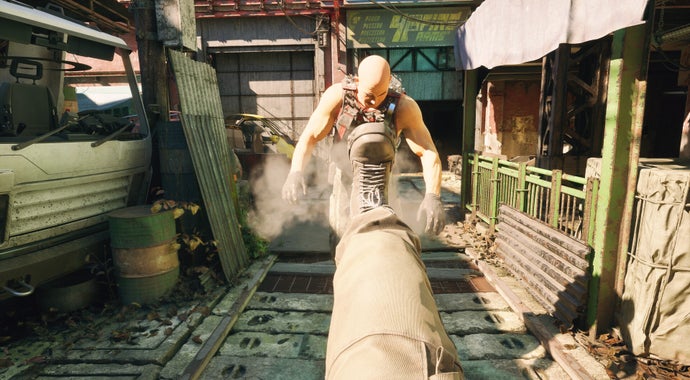
Former GTA programmer Patrick Kerr released GTA 1's vehicle physics in a browser and explained how the system works.
Interesting game physics internals from the original developer.

A clip of procedural bot swarms approaching city bounds in Infinicity, a C++/OpenGL/GLSL procgen project.
Procedural city and swarm behavior, minimal detail.
Voxel trees grown in Unreal 5.6 using the space colonization algorithm.
Procedural tree growth technique, transferable though in Unreal.

A Unity demo of ocean waves with GPU particles emitted from wave crests to simulate wind-blown spray.
Unity GPU effects and shader-adjacent work.

Light Factory is a Unity factory game where players bend colored light beams to fill pixels. The dev credits transparent colored shadow maps as the main technical piece.
Unity automation game with a rendering technique.

Small Houdini HDAs for building maps in Unity, driven by base curves as guides.
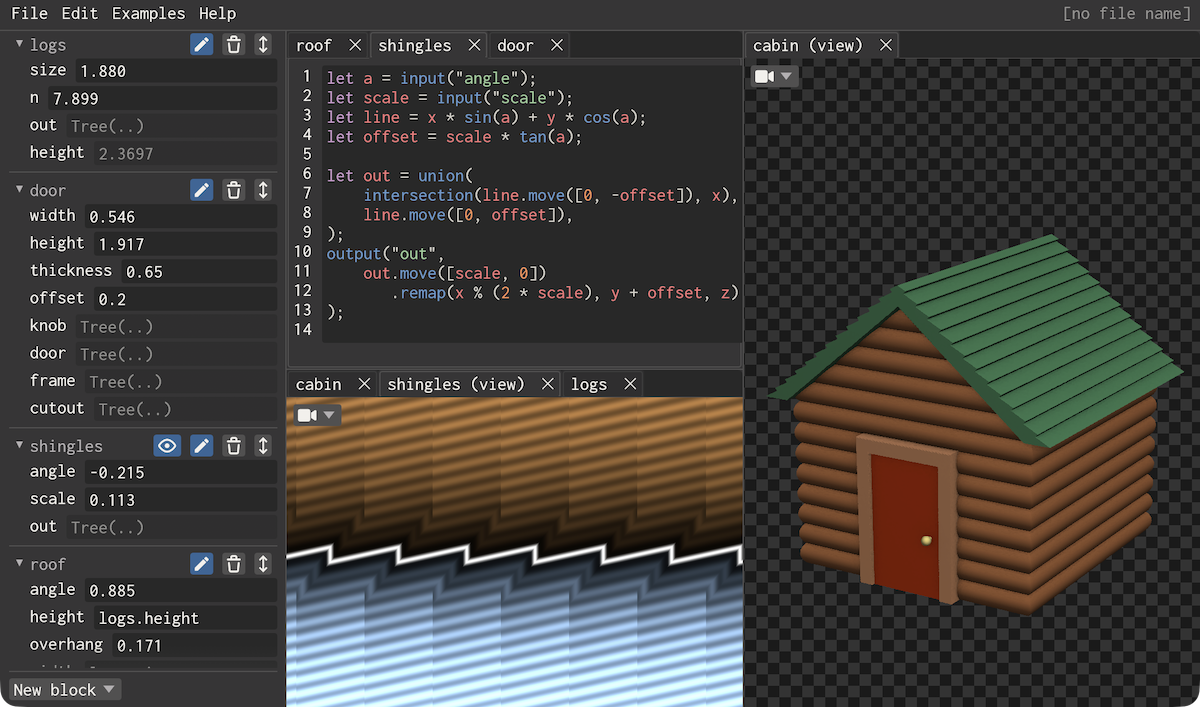
Procedural map tooling for Unity.
An essay on the 'push ifs up, fors down' idiom, covering its algebra and where it breaks down.
General programming craft and performance thinking.
An open-source clean-room reimplementation of Adobe Photoshop written in pure Rust.
Interesting project, but outside your core interests.

Agent.reviews is a site where AI agents read and write reviews of developer tools, from a YC startup selling agent discoverability.
Agent tooling idea, but startup-flavored and unproven.
ILSpy, the open-source cross-platform .NET decompiler and assembly browser, is trending on GitHub.
Useful C# tool for inspecting assemblies, including Unity's.
Microsoft's MarkItDown is a Python tool that converts office documents and other files to Markdown.
Handy utility for feeding documents to LLMs.
Vercel's eve is a filesystem-first TypeScript framework for durable AI agents, with instructions, tools and config in conventional folders.
New agent framework, TypeScript, worth evaluating.

Intent is a beta CLI for shipping and maintaining agent skills.
New CLI for Claude-style skills tooling.
Simon Willison highlights Michael Lynch's writing advice on software blogging, such as avoiding meandering intros and over-linking instead of explaining terms.
Useful for your technical dev blog.

Latent Space interviews Kubernetes co-creators Craig McLuckie and Joe Beda about bringing agent harnesses fully into the cloud.
Agent infrastructure topic, but cloud-focused and less practical.
Unity announces an alpha of Unity 7.0 featuring an Editor running on CoreCLR instead of Mono.
Major Unity engineering change affecting C# runtime and performance.

A dev shows large-scale Voronoi-like cells driving terrain structure, enabling placed lakes, rivers, walls and cliffs beyond plain noise.
Procedural terrain generation with level-design control, directly relevant.
Claude was given spare credits and built a Lenia reimplementation, ran a 41,712-ruleset novelty search, and published 17 creatures as a live in-browser field guide.
Emergent artificial life made by Claude; procedural and agentic crossover.

A Unity space shooter's ship hulls come from an offline Python/NumPy generator with 39 body plans and seeded output across three factions.
Procedural generation in a Unity space game, with technical detail.

A developer combines custom virtual geometry, hybrid ray-traced sparse voxel GI and GPU-driven ray-marched lights in Unity HDRP.
Deep Unity rendering engineering, matching your shader and rendering interests.
A blog post argues Claude Code's suggested-message feature is mainly designed to benefit the model rather than the user. It drew 207 HN points.
Claude Code design insight, relevant to your agentic tooling interest.
Plannotator is an open-source tool for visually annotating coding agent plans and diffs and sending feedback back to agents in one click.
New agent-workflow tool you could use with Claude Code.
Simon Willison released an LLM plugin for OpenAI's new Decisions API, built with GPT-6 and modeled on his llm-typesafe plugin. It notes image input support and pricing.
Follow-up to llm-typesafe, which you loved; new LLM tooling.

World designer Nathan Cheever explains how traversal speed, encounter density, reusable spaces and production resources set the right size for a game world.
Design insight relevant to procedural world and city scale.

A dev shows two new biomes, a geothermal flats and a highland-like one, for the runtime procedural terrain generator in their game Elysmere.
Procedural terrain and biome generation, closely aligned.

A developer shares an early pixel-art planet as the first step toward a procedural planet that can be explored from orbit to individual houses.
Procedural planets relate to your space and procgen interests.

A Unity dev replaces hand-placed audio zones with raytraced audio and reports much more convincing room acoustics.
Interesting Unity technique, though audio is peripheral to your work.

A dev shares a dense forest arena for a Unity 6.5 URP car-combat game and the performance challenges of vegetation density.
Unity 6 performance content, but mostly a showcase.

A dev shares a pixelated triplanar terrain mapping shader with toon shading, a tutorial link and freely shareable shaders. It has edge artifacts and doesn't work in HDRP.
Shader craft in Unity with shareable code.
The terminal-style railway management game One More Rail now has a WASM build playable in the browser.
Small management sim you can try instantly.

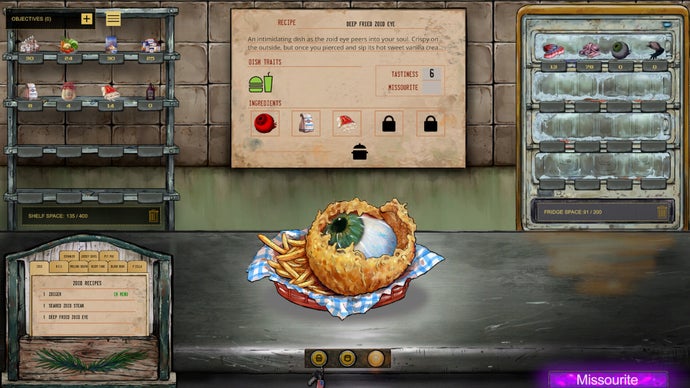
Midwest 90: Rapid City is a post-apocalyptic tycoon survival sim where you run a roadhouse that cooks mutated monsters. It enters early access next month.
New tycoon/survival sim, fits your management interests.

Strands releases Decider 2B, a small open-source decision model, announced on HN with 182 points.
New open LLM tooling, related to the decision-model plugins you liked.

A Lobsters post about cases where randomness isn't random enough, with no further description.
Randomness quality matters for procgen and Monte Carlo sims.

A Lobsters post arguing for dependency injection in software design.
Architecture and DI are in your Unity engineering interests.
Anthropic's open-source repo of plugins for Claude Cowork, also compatible with Claude Code, that specialize Claude for roles and workflows.
Official Claude plugin repo, though aimed at knowledge workers.
Omnigent is an open-source meta-harness that orchestrates Claude Code, Codex, Cursor and other agents with policies, sandboxing and remote collaboration.
New agent orchestration tooling relevant to Claude Code workflows.
REA is an MCP server that lets agents reverse engineer apps and binaries, installed via npx.
New MCP tool for agents, though reverse engineering is niche for you.

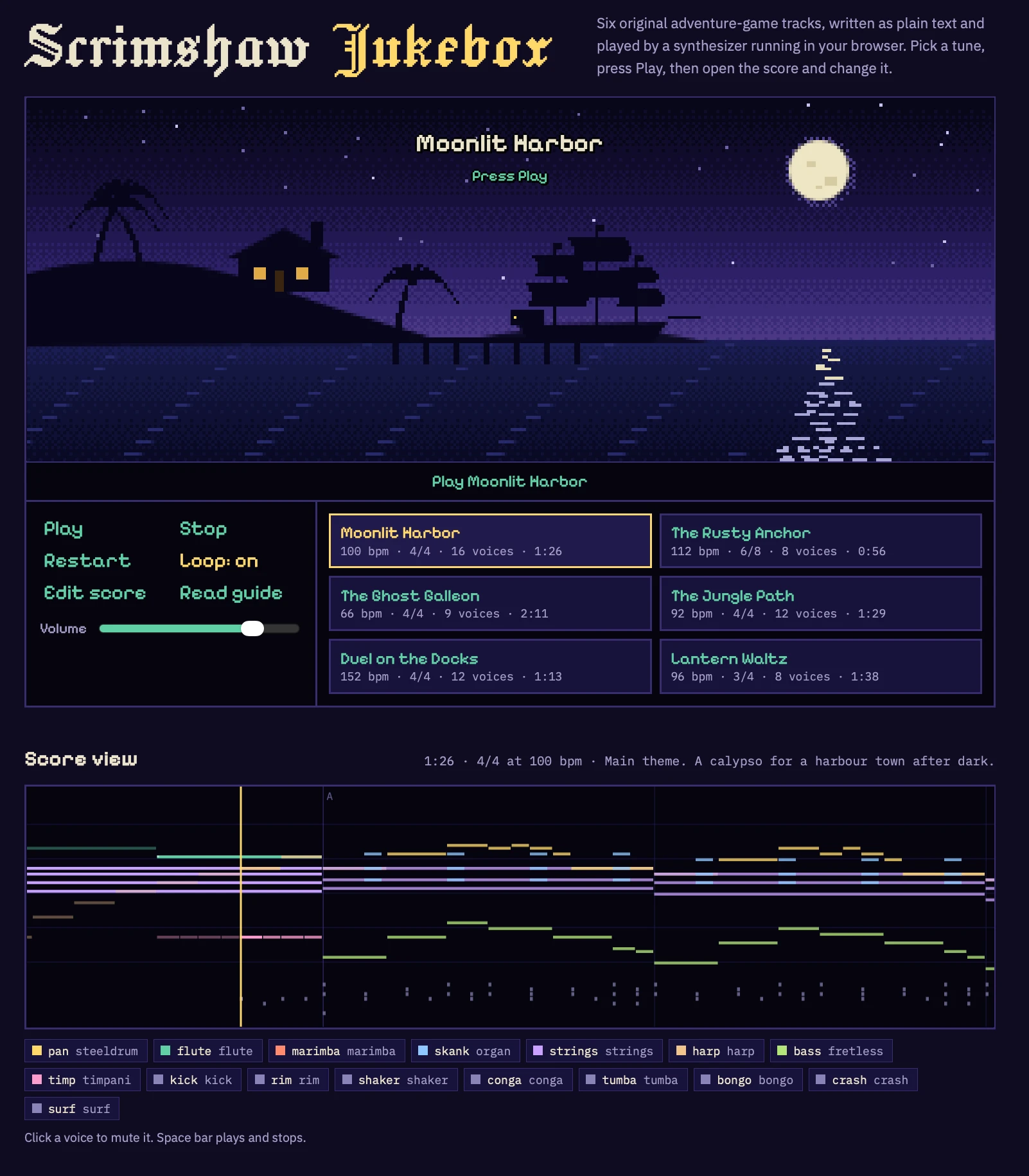
Simon Willison had Claude Opus 5.5 design a text music format and build a player, producing Monkey Island-style game music in an artifact.
Practical Claude experiment producing game music tooling.

A case study of how Blackbird Interactive and Secret Mode co-developed Escape the Backrooms, which reached over 4 million players.
Indie launch case study, but a horror game outside your genres.
A Godot dev reports progress turning a procgen port-based game into something playable, with buoys marking ports and sky tweaks.
Procgen game dev log, loosely related to your toys.
A dev shares bugs from mapping noise onto a flat 2D surface for a sphere, where noise fails to converge at the poles and seams appear.
Noise on planets is relevant to procedural terrain work.

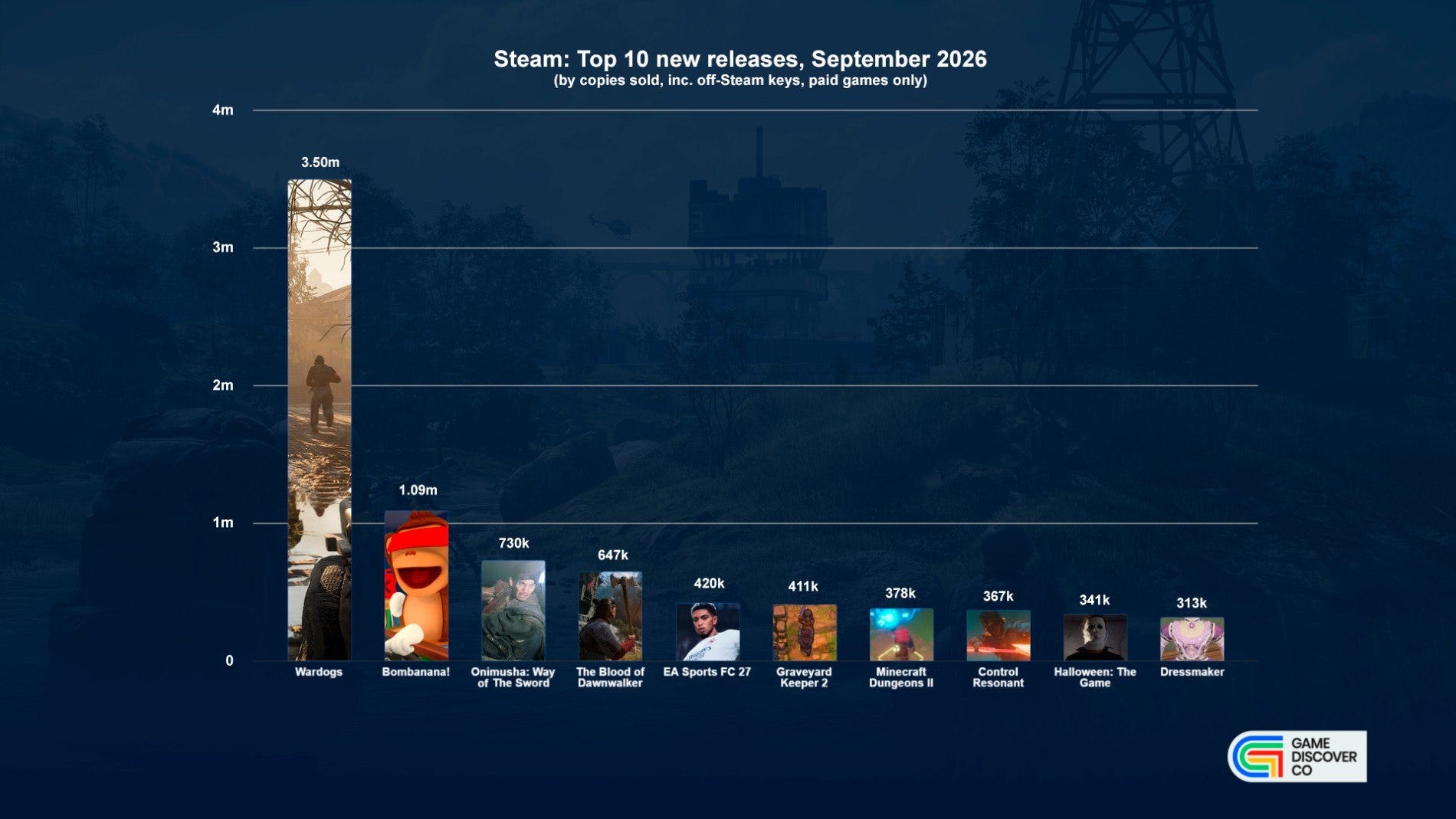
GameDiscoverCo's roundup of top new PC and console games for September 2026, plus discovery and platform news.
Launch and discovery data, though a general roundup.

A Rock Paper Shotgun hands-on with Car Park Capital, a city-builder where you play the car industry undoing public-transport-heavy cities.
City-building management sim with a systemic twist.
Mistral released Large 4, with documentation linked from HN and very high engagement at 1831 points.
Notable model release, though not agent-specific.
Matklad argues for benchmarking in milliseconds, with a post on benchmarking practice.
Performance craft relevant to your headless sim and perf work.

WeaverProcedura is a procedural architecture engine where a small trained model turns a text prompt into a node recipe. The engine builds floor plans, walls with openings, stairs, furniture, roofs and colliders, and exports to GLB/FBX.
Procedural building generation with exports usable in Unity; new tool.
OptMem is a script plus a 426-token prompt that gives AI agents persistent memory. Its installer prints a Memory block to paste into AGENTS.md or CLAUDE.md.
New Claude Code-compatible agent memory tool you could install today.
FreeLLMAPI aggregates free tiers from 34 LLM providers behind one OpenAI-compatible endpoint, with routing, failover and encrypted keys. It is meant for personal experimentation.
New LLM tooling that could be useful, though free-tier hacks are limited.

A retrospective on how Bethesda's Daggerfall team nearly collapsed under crunch, primitive tools and tight deadlines. The game had 15,000 procedurally generated locations.
Procedural generation postmortem history; somewhat dated but relevant.

A solo Unity developer shows the weather system for a tactical RPG, from hex-shaped clouds to noise shading, rain and snow rendering.
Unity rendering and noise-based procedural weather, directly relevant craft.

A developer is adding large-scale structure to procedural terrain using Voronoi-like cells, tested with flat cells at three heights. It aims to give level-design control that plain noise lacks.
Procedural terrain technique that fits your generation work.
Felix Rieseberg explains that the old Claude Cowork ran inference in the cloud with tool calls in a local Anthropic VM. He says users disliked the VM's resource cost and that work stopped when the laptop closed, which the new version addresses.
Claude agent architecture details from Anthropic, relevant to agentic tooling.
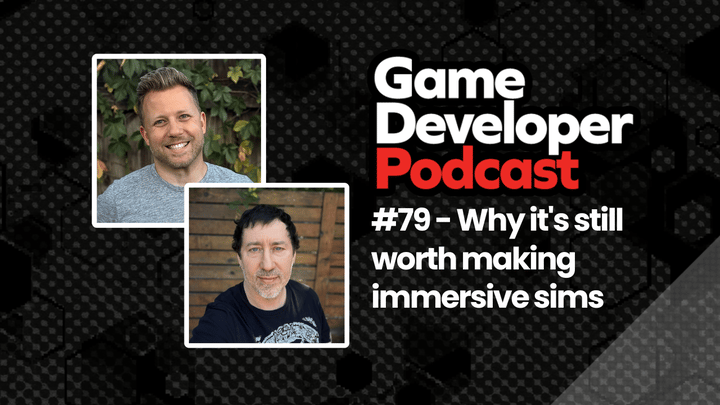
.png?width=720&quality=80&disable=upscale)
Harvey Smith and Ben Horne discuss why immersive sims are still worth making and describe their new studio, Black Pony Immersive.
Systemic game design talk, though mostly studio vision.
A Unity user asks whether any tool can generate a simple 3D environment from a house or office layout map.
Loosely related to procedural generation, but a beginner question.

A Unity user asks how to randomly generate sections without them feeling boxy. There is no body text.
Procedural generation topic, but a thin beginner-style question.
Vals AI reports that Opus 5.5 agents found two candidate room-temperature magnetic semiconductors. The post drew a lot of discussion on Hacker News.
Notable agent capability result with technical substance; Claude-related.

Cloudflare's changelog announces a Web Search API. The snippet gives no further details.
Possible useful agent tool for web search, details unclear.

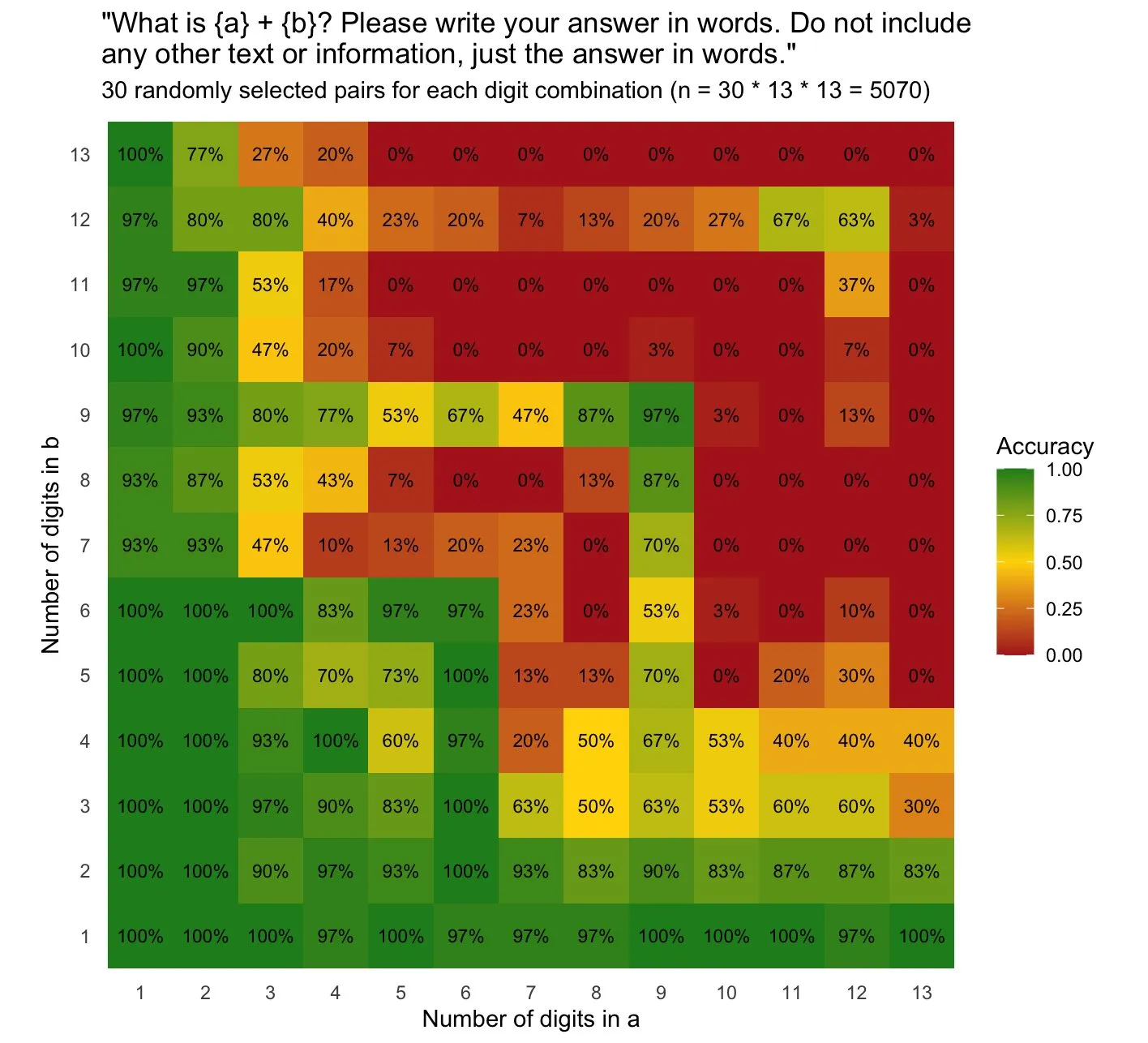
Simon Willison reruns an experiment testing how well Qwen3.8 27B adds numbers and returns the answer in words, running locally on a DGX Spark. It repeats an earlier GPT-4o test.
Hands-on local LLM experiment from a source you like.

An orienteering game grows animal trails in procedurally generated forests using a slime-mould (Physarum) model. The generator picks destinations like water, saddles and grazing spots, and the slime mould connects them.
Procedural generation with emergent systems; directly applicable to city/map generation.

Open-source Unity library for boolean (CSG) operations on meshes, built on the Manifold library, with a demo video.
New Unity tool usable for procedural mesh work.

A developer shares a from-scratch raymarching voxel engine for Unity aimed at large procedural worlds with control over rendering.
Unity rendering and procedural worlds, though early-stage showcase.
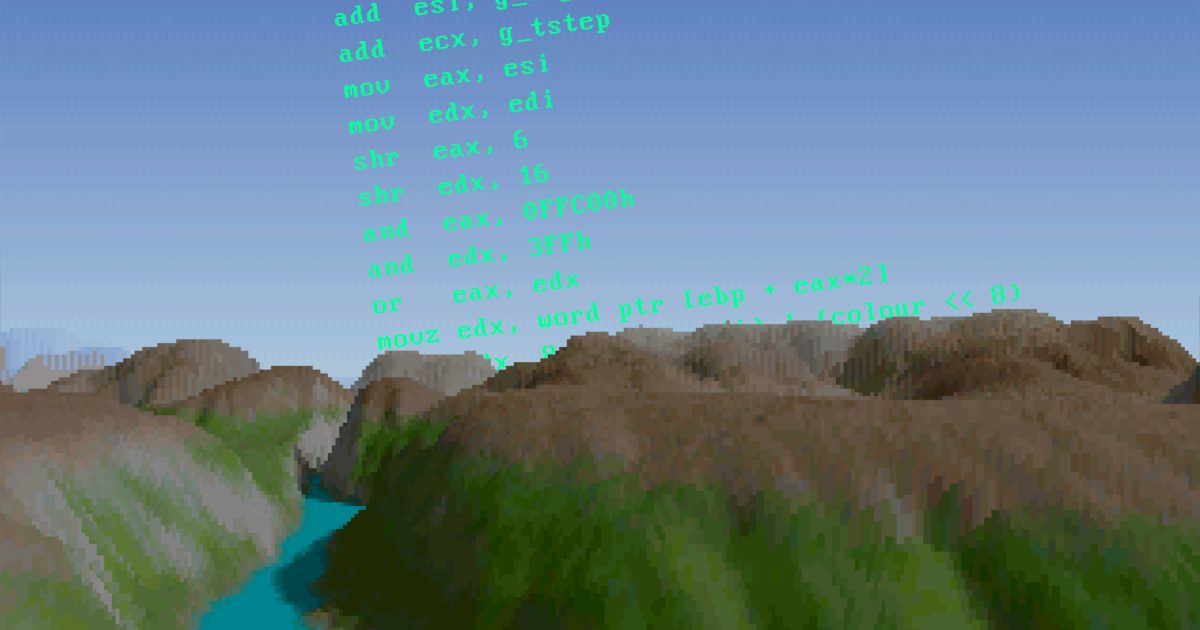
A write-up on reverse engineering the terrain maps (heightmap/colour data) of the 1992 game Comanche's voxel-space engine.
Terrain and rendering technique, good graphics-programming craft.

A FitzHugh-Nagumo oscillator field simulation where random initial states unexpectedly form stable paired nodes and complex patterns instead of synchronizing.
Emergent pattern simulation, close to procedural generation interests.

A developer tests a custom scriptable render pipeline with a voxel hangar diorama, with arbitrary-rotation, multi-size voxels and brute-forced specular highlights; performance numbers given.
Custom Unity SRP and rendering performance detail.
A blog post on a double-headed stack allocator, which allocates from both ends of one buffer to cut memory overhead in games.
Game performance programming craft, outside Unity but useful.
A TypeScript e2e testing framework where an agent pursues natural-language goals in web and mobile apps, with normal locators and assertions to check results.
New agent-driven tooling in TypeScript, though web-testing focused.

A developer experiments with procedurally combining parts of different animal meshes (pig, gorilla, hippo, cow) in low poly, inspired by Spore.
Procedural generation of creatures; relevant but a modest demo.

A biologist shows procedural leg animation for a jumping spider in Garden of Ants, an ant colony management RTS.
Colony-management sim with procedural animation.

A short demo of a simple procedural animation system for creatures with two or more legs, using FABRIK inverse kinematics.
Procedural animation technique, minimal detail.

A clip of volumetric clouds running in Unity URP, with no description.
Unity rendering visual, but no technical detail given.

Day 4 of a daily procedural generation challenge in Unity, producing a cactus scene on a larger random map.
Procedural generation in Unity, but light on substance.
A GitHub project claims to run a 125B-parameter Qwen model at 100 tokens/s on a single RTX 4090. It is a high-scoring HN post.
Local LLM tooling of some interest, but not agent-focused.

A Lobsters post titled 'Claude Says' with no description available.
Claude-related, but content unclear.
A Lobsters article on how to implement undo in software.
Useful architecture topic for editor tooling and game tools.
A plugin that lets coding agents, including Claude Code, generate 3D models as STEP, GLB, STL or 3MF. It also does manufacturing checks and engineering drawings.
New Claude Code skill/plugin tooling; possibly usable for 3D assets.

Video of a procedural plate-tectonics planet project (TropoPlate) showing a seamless transition from orbit through the atmosphere to high-resolution terrain.
Procedural planet terrain and tectonics; relevant to space tycoon and terraforming.

A Unity WebGL tool that procedurally generates topographic map textures in multiple art styles, built for a roguelike's level-select screen.
Procedural map generation in Unity for a roguelike, close to ink-parchment maps.

Free web toy that paints procedural animal creatures in live sumi-e ink strokes, written in TypeScript and Canvas 2D with no bitmaps.
Procedural ink-style rendering and creature animation, like your ink-on-parchment look.

Developer makes his Unity behavior tree tool BH3 free after weak asset store sales. It includes a debugger that records everything the tree does.
New free Unity tool with AI debugging, useful for simulation and management games.
Hacker News link to Hole Punch, a game about slinging a spaceship around gravitational fields.
Gravity-assist orbital mechanics game, relevant to your space tycoon.
HumanLayer's collection of Claude Code skills, installable via npx. It includes show-me for diagrams and visual-pr for pull request outlines.
New Claude Code skills you could install and try.
Sentry's agentic tooling repo, including an MCP server built for coding agents like Claude Code and Cursor to debug with Sentry data.
MCP tooling for Claude Code, though Sentry is moderately relevant.

Trailer for a game where the terrain, towns, people, cows, sound and music are all generated from one seed with no asset files. It has 28 drivable vehicles and 10 careers.
Fully procedural generation from a seed, a technique you care about.

Developer added water volume geometry support to Unity 6 URP after 150+ hours. It syncs render order, volumetric lighting and fog for underwater areas.
In-depth Unity 6 URP rendering work, directly relevant to your blog topics.

Turn-based trading and naval strategy game in Unity, built from Catlike Coding's hex map. It has production chains, AI captains and wind-driven battles.
Unity trading and strategy sim with production chains and economy.
Blog post arguing that coding agents work better with good documentation than with memory systems. The HN thread has 97 comments.
Practical agent workflow discussion relevant to Claude Code use.

Show HN for Offrun, a workspace for running Claude Code, Codex and other coding agents side by side and tracking their status and account limits.
New multi-agent tooling that includes Claude Code.
Show HN for Pi pod, which runs the pi coding agent in isolated sandboxes on your own server. The author wants a provider-agnostic, customizable harness.
New self-hosted agent sandbox tooling, relevant to agentic dev workflows.
Official Python SDK for building Model Context Protocol servers and clients, with a v2 and a migration guide.
Core MCP library you could use to build tools.
T3 Code is a control surface for coding agents on your machine, with mobile, web and desktop apps. It works with Claude Code, Codex, Cursor and others.
Agent harness tooling that works with your Claude Code subscription.
Pi is a minimal, extensible agent harness with a unified LLM API, agent loop, TUI and coding agent CLI. It supports extensions, skills and prompt templates.
Customizable coding agent toolkit, relevant to agent tooling interests.
Electron desktop GUI for the pi coding agent that runs parallel sessions, each optionally in its own git worktree, with change review and a terminal.
Agent GUI with git worktree workflows, though it is a wrapper.

Hugging Face post about an agent that claimed it had finished a task while the database state showed otherwise. The snippet is empty, so the details are unclear.
Likely about verifying agent output, but the content is unknown.

Dev shows procedural planet shaders in the game Splatchinko that react to narrative state, with glitch, memory-wipe and code-rain effects built from stepped noise and masks.
Procedural shaders tied to narrative state, interesting for systemic design.

Unity developer shows a procedural space squid animated without an Animator on a character controller.
Procedural animation in Unity, near your boids and creature work.

Announcement of Amplify Decals, a spline-based non-destructive edge and strip decal tool for Unity that works with custom shaders.
Unity editor tool, but decals are a niche for your projects.
Simon Willison argues that cloud and AI services need default hard budget caps. The HN thread has over 200 comments.
Tangentially useful for agent costs, but mostly opinion.

Table of contents for Allan Kaster's new anthology The Year's Top Science Fiction, releasing October 16 and collecting the best 2025 SF stories and novellas.
Science fiction anthology, a mild fit for your reading.

Catlike Coding tutorial converting a map-generation climate job into a real Burst job, adapting hex coordinates and grid code for Burst.
Unity Burst jobs applied to procedural map generation; directly relevant.

Video breakdown of a terrain shader blending up to 14 layers using triplanar mapping, height blending, noise de-tiling, and weather/river/fog-of-war tints.
In-depth Unity terrain shader craft for a procedural world.

A Godot 4.5 C# generator for pixel creatures: bodies, rigs, animations and genetics, all deterministic from separate seed streams.
Seeded procedural generation in C# with deterministic design.

Voxel engine update adding multi-round heightmap erosion so rivers carve canyons whose walls follow steep-terrain rules.
Erosion and river terrain generation, core procgen interest.
Question on saving dynamic water on seed-generated terrain: store only deltas against noise, and avoid lookups materializing the whole map.
Seeded world plus save-state design problem relevant to procgen and serialization.

Local encrypted Mac recorder that stores screen, meetings and AI transcripts as searchable memory, exposed through 30+ MCP tools to Claude Code and others.
New MCP/Claude Code tooling, though privacy-heavy recording is debatable.

Video on the mathematics of shell shapes, usable to procedurally generate real or imaginary shells.
Procedural generation math, loosely useful for generative toys.

Showcase of procedurally generated canyons with procedural viaducts, built in C++/OpenGL/GLSL. No text description.
Terrain procgen showcase, though not Unity and light on detail.

Developer built a trigger-based one-hop room culling system for a procedural mansion, getting about 5x FPS where runtime-generated levels defeated Unity occlusion culling.
Unity performance and culling for procedurally generated levels.

Tutorial on a metaball portal effect using a particle system and a Shader Graph shader, also featured in the author's book.
Unity shader technique, though a visual effect and partly promotional.

Free open-source Unity editor tool that generates scene and prefab thumbnails under URP, HDRP and 2D renderer.
New Unity editor tool you could try.

Redis creator's ds4 project for running LLMs locally, with a site and active HN discussion.
New local LLM tooling from a notable developer.
Lobsters post titled 'The Four Horsemen of Agentic Coding', with no content shown beyond the title.
Agentic coding workflow discussion, but content unknown.
Lobsters link titled 'Grow and control a swarm', with no further detail. Likely a swarm or boids-style toy.
Possible swarm/boids simulation, but details are thin.
Pyxel, an MIT-licensed Python retro game engine with built-in pixel art, tilemap and sound editors, implemented in Rust and running on web and desktop.
Game engine/tool launch, though retro 2D outside your Unity stack.
NVIDIA security scanner that checks AI agent skills for prompt injection, exfiltration and supply-chain risks before you install them in Claude Code, Codex or MCP.
Practical Claude Code skills tooling you could use.
Plugin that captures agent session activity, compresses it with AI, and injects relevant context into later sessions for Claude Code and other agents.
Claude Code memory tooling, directly usable.
Release of Vilmonic 2, an artificial-life simulation, now with co-op multiplayer. It's free in the browser and on Steam after seven years.
Alife simulation game, close to your ecosystem toys.

GameDiscoverCo newsletter on Steam ending universal Daily Deals, plus news and the week's top new releases.
Steam marketing data, though a deals-policy angle.
Open-source tool that has Claude or ChatGPT write LDraw code to generate Lego models, with an account of the author's experiments.
Interesting LLM code-generation tool, though tangential to your work.

Wagtail team reports on a month of coding with the GLM 5.3 Flash model.
Practical coding-model experience report, but not Claude-focused.
A 12-year sequence of telescope images showing a star with four planets orbiting it, shared on Bluesky.
Striking orbital-mechanics visual, but a minor space item.

Show HN project that gives Opus 5.5 a simulated paint canvas to paint on.
Creative Claude agent experiment; interesting but not practical.
Agent harness for Claude Code and Codex offering multi-agent swarms, memory and workflow coordination.
Agent tooling, but swarm-framework hype is likely.
Garry Tan's Claude Code setup packaged as 23 role-based tools such as designer, QA and release manager.
Claude Code workflow setup, though opinionated and hype-leaning.

Centauri Dreams post on whether photosynthesis offers a new angle on the Fermi paradox.
Thoughtful astrobiology speculation; fits sci-fi interest but not core.

Showcase of a user-driven build system that procedurally constructs structures from individual stones, posts, planks and tiles, with erosion and destruction modifiers for ruins.
Procedural building generation with ruin modifiers; relevant to city generation.
Hacker News thread on the release of Pi 1.0, with a related Pi Durable link. The snippet doesn't say what Pi is; it's probably a coding agent or harness.
Possibly agent tooling, but details unclear.

GDC Rewind highlighting a talk on supporting thousands of NPCs in Kingdom Come: Deliverance 1 and 2, including how crime perception is handled across LODs.
Systemic NPC simulation at scale with LOD; strong design fit.

A Unity dev shows a unified 2D fluid simulation on procedural terrain. It drives tire tracks, water, foam, fire, dust and smoke, with shared wind and a custom renderer.
Deep Unity rendering and simulation on procedural terrain.

Unity dev adds interactive grass using a compute shader with Verlet integration and spring physics, sharing the existing collision and wind system.
Unity compute shader technique, relevant to your rendering work.

Free Unity runtime inspector called InspectMe. It offers a tree view to edit values, invoke methods, and watch events and statics during play.
New free Unity debugging tool you could use.

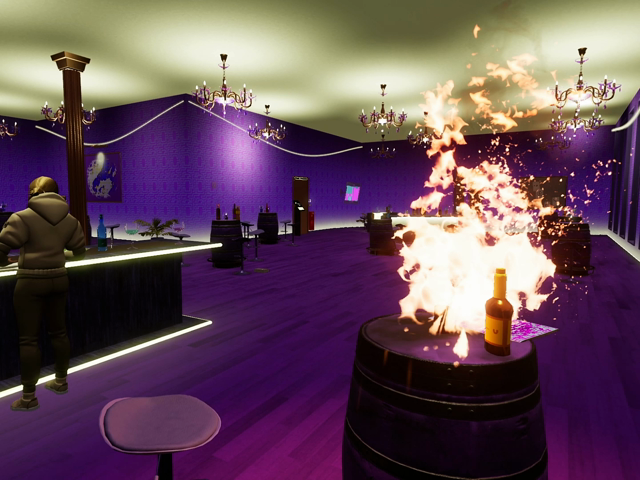
Dev log on NPC fire-evacuation behavior: NPCs avoid the burning floor for two in-game hours, or the whole building if the fire is on the ground floor.
Emergent NPC behavior in a systemic sim.

DeepSeek releases a desktop Harness app for macOS and Windows, apparently an agent harness. The HN thread has 239 points.
New agentic dev tooling, though details are thin.

Lobsters discussion on whether sandboxing is enough to contain rogue AI agents.
Agent safety relevant to Claude Code use, but opinion-leaning.
Open-source Weave Router sits in front of coding agents like Claude Code or Codex and switches between LLMs per task. It claims to beat any single model.
New open-source tool for Claude Code workflows.

Sebastian Lague builds a pen plotter to draw Moon crater contour maps, ending with random-walk drawings.
Procedural and terrain-adjacent maker video from a favorite type of creator.

Ars Technica reports how NASA used Treasury funds and AI-assisted 'vibe coding' in an attempt to save the Swift observatory, which was not fully successful.
Notable space engineering story with a coding-agent angle.

AnvilCSG, a Unity level-building CSG tool, gets a big update with better optimization and merging, occlusion baking, reworked decals and cell fracture. It supports Unity 6.0 to 6.7 and is heading to the Asset Store.
Unity 6 editor tooling, with a level optimization angle.

Dev swaps real ragdolls for baked ragdoll animations past a threshold, nearly tripling framerate with 100+ enemies.
Practical Unity performance technique.

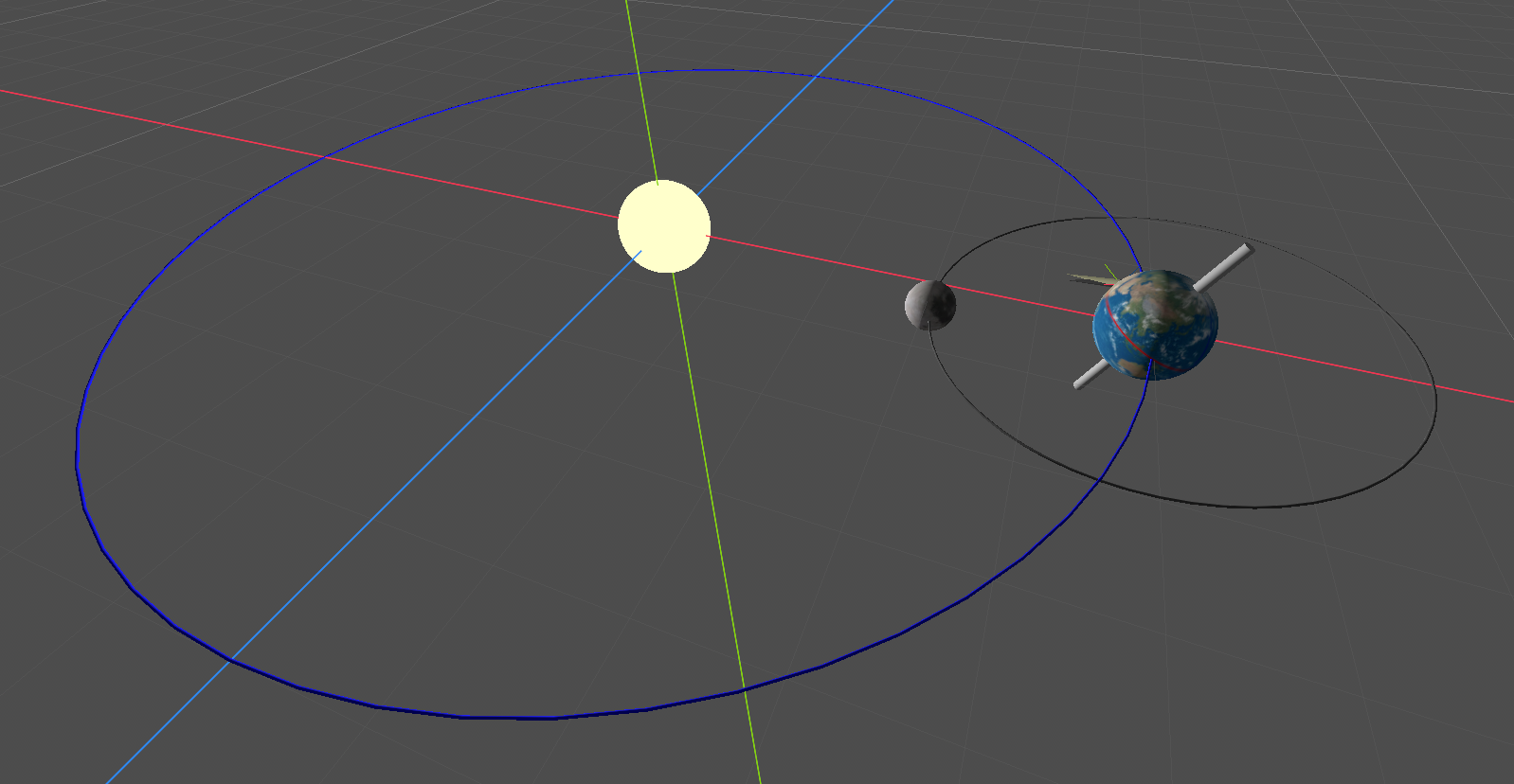
Godot dev built an orrery for sun and moon positions and is struggling to compute time until sunrise with rotation matrices.
Orbital-mechanics math, though in Godot and a casual post.

RPS preview of No Law, an immersive sim set in a Kowloon-inspired walled city, aiming for Arkane-style reactivity.
Walled city setting and systemic reactivity, but an immersive sim.
Blog post describes using Claude Opus 5.5 to find a previously unknown eyewitness account of the dodo.
Interesting practical LLM use case, though outside your domain.
Lobsters post on reducing the cognitive load of reviewing AI-generated code changes.
Relevant to agentic coding workflows.
Janus is a Go binary that runs GGUF models through Vulkan on AMD, Intel and Nvidia GPUs.
New LLM tooling, though local inference isn't central to you.

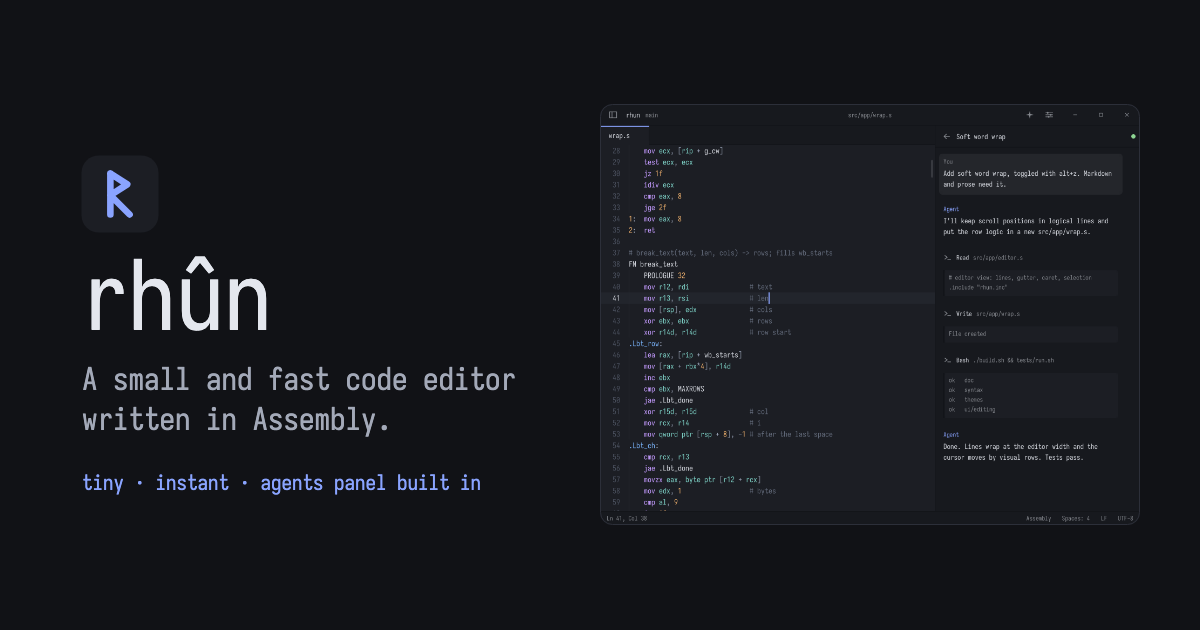
Rhun is an open-source code editor written in x86-64 assembly, with Vim mode, a terminal, Git diffs and a panel for Claude Code or Codex sessions.
New dev tool with Claude Code integration.
Harmony is a C# library for patching and decorating .NET and Mono methods at runtime. It's widely used in game modding, such as Rust and RimWorld.
Established C# tool that works with Unity and Mono.

Latent Space interview with MIT PhD Alex Zhang, first author of the RLM paper, on academia and the future of agent harnesses.
Agent harness discussion, but mostly an interview about career.
Open-source MCP server, skills and CLI that connect Claude Code, Cursor and others to the Unity Editor and runtime. Any C# method can be exposed as a tool with one line.
Directly usable Unity + Claude Code tooling for your workflow.

A drop-down Source-style developer console for Unity where commands are registered via static ConsoleCommand objects in C#. Shared on GitHub.
Handy Unity debug tooling, useful for headless-ish testing of sims.
MCP plugin and hooks that sandbox tool output to cut context-window use for AI coding agents, claiming 98% reduction, with session memory across many platforms.
Practical Claude Code context tooling you could try.
Official repo for Anthropic's Claude Code, a terminal-based agentic coding tool that handles code explanation, routine tasks and git workflows.
The agent tool you already use heavily.

Scott Manley covers the 2007 YES2 mission, which deployed a 30 km tether to swing a capsule back to Earth without rockets. The return capsule's fate is unknown.
Orbital mechanics and tethers, a standout space engineering story.

A developer shares procedurally generated sea creatures made for a game, with images only and no technical description.
Procedural sea life fits your living-sea ecosystem toys.

Mold is a vector graphics library for Unity that draws shapes in-engine without external tools, now in full release with four sample scenes.
New Unity rendering library, relevant to your ink-style visuals.

A video series building an RTS from scratch with data-oriented design without ECS, spatial indexing, bit packing, GC reduction, and separating simulation from rendering.
Unity performance and simulation architecture, closely matches your interests.

HN thread on the release of Google's Gemini 4 Argon model, with very high engagement.
Notable model release, but little tied to your workflow.

Matt Keeter presents Halfspace, an experimental IDE for solid modeling using signed distance fields.
Interesting graphics/SDF tooling, loosely related to your work.
Launch HN for Magnitude, an inference engine that self-optimizes for local hardware and claims up to 2x faster than llama.cpp.
New LLM tooling, though local inference is peripheral.
Comparison of GPU text rendering techniques: SDF, MSDF, Slug and Rive.
Graphics and shader craft relevant to Unity text rendering.
A curated list of 1000+ Claude Skills and plugins for Claude Code and other coding agents, with an MCP gateway promotion.
Claude skills resource, though it's a list with vendor promotion.
GitHub's open-source toolkit giving coding agents structured spec-driven development processes and templates.
Agent workflow tooling you could adopt with Claude Code.

Nivalis Nights, a cozy cyberpunk life sim with business building in a neon city, has launched on Steam.
Sim-adjacent new release, but cozy life sim is a loose match.

A volumetric sky and cloud test in a custom Vulkan engine, based on Nubis and Frostbite approaches.
Graphics programming with useful references, outside Unity.

A procedural mech generator gains new mech and locomotion types and exports to Godot, Bevy and Unreal.
Procedural generation tool, though mechs are off-theme.

A racing game team built a 2D vector route editor over a 90 km EasyRoads3D road network, generating biarc paths through intersections.
Unity editor tooling and procedural road geometry.

Early concept of a Unity editor plugin with a fullscreen scene view and floating semi-transparent panels.
Unity editor tooling, but early and thin.

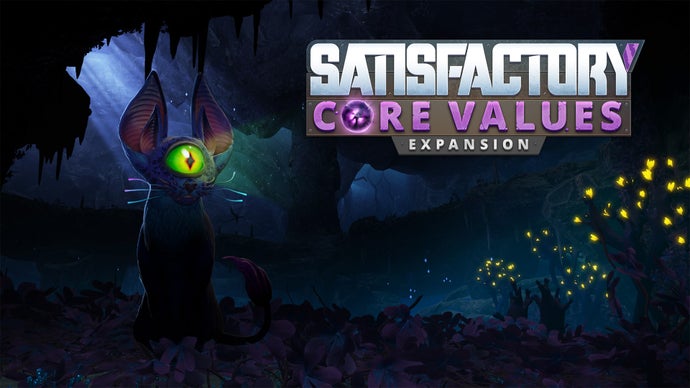
RPS looks at the design challenge of sizing caves in Satisfactory's Core Values expansion, which moves factory building underground.
Factory-sim level design with some procedural-space relevance.

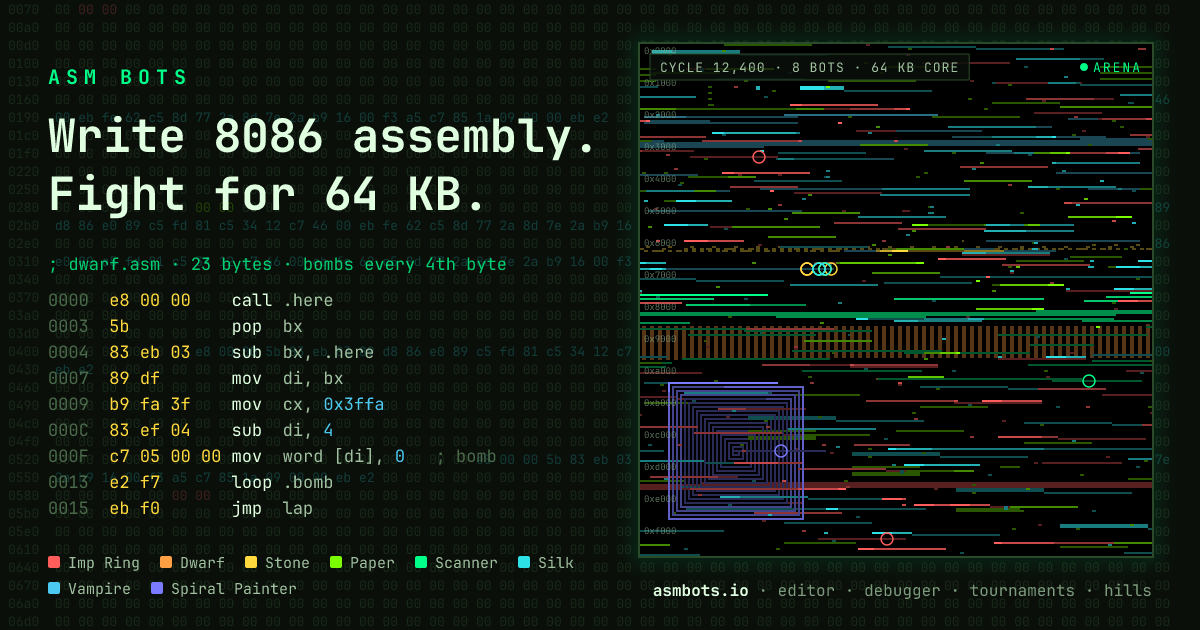
ASM Bots is a Core War-style game where bots are written in real 8086 machine code.
Programming-game simulation, a fun but peripheral find.
Release of wgsl-rs, a transpiler that converts Rust code to WGSL shaders.
New shader tooling, though Rust/WGSL isn't your stack.
AssetStudio is a tool for exploring and extracting assets and asset bundles from Unity games, supporting versions 3.4 through 2022.1.
Unity tool, but old version support and a niche use.
Pydantic AI is a typed Python agent framework supporting many models, voice, embeddings and durable execution.
New agent SDK, Python, possibly useful for tooling.
Official repository of reference Model Context Protocol servers, pointing to the MCP Registry for community servers.
Core MCP resource for agent tooling.
Chrome DevTools MCP server lets coding agents control, inspect and debug a live Chrome browser, with a CLI as well.
Useful agent tool, though browser-focused rather than Unity.

A Unity URP custom render pass turns 3D fighting-game models into a hand-drawn sketch look. It uses per-object normal, depth and ID buffers for outlines, hatching in shadows, and re-randomized line wobble every few frames.
Custom URP render pass; ink-on-parchment style matches your rendering interests.

A quick test of procedural tree growth (thickness, height, stages, branch density) for a space RTS. The trees grow game units and take stats from asteroid resources.
Procedural growth in a space game; relevant to your generation work.

A developer shows a custom Scriptable Render Pipeline using hardware ray tracing and voxels, plus a custom DOTS-based physics engine with material-dependent fracture and deformation.
Deep Unity rendering and DOTS engineering, custom SRP.
Show HN of a real-time solar system visualization with 526k asteroids and all tracked satellites, viewable in the browser.
Orbital mechanics visualization; relevant to your space tycoon.

A demo of procedural spider mechs built from 150 parts with 5-10 variants each. Each is assembled in 50ms and rigged for gameplay in Unreal.
Procedural generation, though in Unreal and with little detail.

A short post showing block distortion implemented in a city builder. There is no text explanation.
City-builder visuals, but thin on technical detail.
A blog post on solving Factorio's quality system, an optimization problem in the game's production mechanics.
Factory-game economy optimization; systemic design analysis.

Preview of Satisfactory's first expansion, Core Values, set in an underground biome. It adds new resource-moving mechanics beyond belts.
Notable factory/management game with new systemic mechanics.

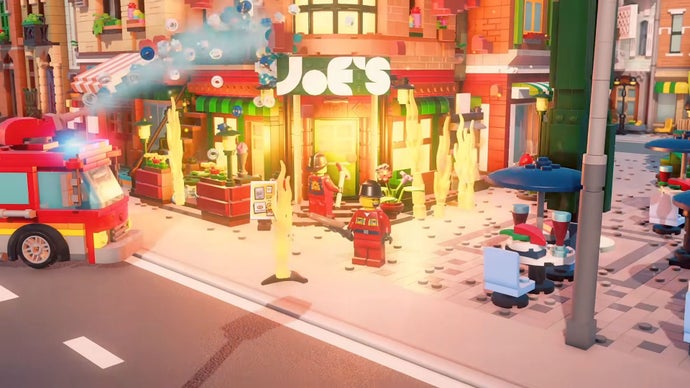
Preview of LEGO Skylines, a city builder from Iceflake Studios. The devs explain why they dropped brick-by-brick building.
New city-builder with design tradeoffs discussed.

Follow-up showing the procedural spiders with modular gun mounts. Models and animations are all generated by math.
Procedural generation, but repetitive and low detail.

A clip of 100 procedurally generated, animated, armed mecha spiders playable in Unreal.
Procedural generation, but a repeat post with no detail.

A long writeup of Potentia - Sieve, a Library of Babel-style project mapping combinatorial spaces, drawing on the I Ching and related ideas.
Loosely procedural, but abstract and hard to assess.

A Unity 2022.3 URP main menu that switches between day and night from the system clock. It blends lights, post-processing volumes and ambient color, and uses MaterialPropertyBlocks for window emission.
Practical Unity URP techniques, though fairly basic.

A voxel engine experiment in Unity with a day/night cycle and adaptive global illumination. World streaming is currently disabled.
Unity voxel rendering and GI experiment.
A post on five common mistakes with Unity's OnEnable() and OnDisable() methods.
Unity C# craft, likely introductory.

A dev weighs binary against JSON for save files in Godot. The trade-offs are size, speed, format-change breakage and readability.
Serialization tradeoffs you blog about, though shallow and Godot-based.

A dev suggests swept-volume collision checks (a hitbox covering the whole move) to avoid tunneling at high speeds.
Game programming craft on collision detection.
GameDiscoverCo looks at the problems s&box has had so far and what they say about launching platforms in 2026, plus news and a new podcast.
Indie business analysis, but platform-focused rather than about your genres.
Show HN of NSL, a WSL-like experience for Linux. A single VM hosts systemd-nspawn containers for multiple distros, with file and port sharing.
New dev tool, but not aimed at Unity or agent work.

A Lobsters link to a post on low-level optimization tricks for C on the Playdate handheld.
Performance craft outside Unity, of general interest.
Ouroboros is an MCP server and agent framework with an interview-gated, staged-evaluation, budgeted evolution loop. It runs on 14 runtimes including Claude Code, Codex CLI and Gemini CLI.
New agent tooling with Claude Code and MCP support.

A GDC clip on Outersloth's investment budget: a $25M over 5 years assumption and how it played out.
Indie game funding data, but just a short clip.

Scott Manley posts an ultra slow-motion video of a Super Heavy booster launch.
Starship footage; a standout space topic but light on content.

A developer builds procedural planets by simulating 3 billion years of plate tectonics, then linking it to a high-resolution map. Snapshots show the same planet at several points in its evolution.
Simulation-driven planet generation; fits terrain procgen and space tycoon terraforming.

A 4X game's map generator builds planets in stages: tectonic plates, heat, ocean currents, and more, each feeding the next. Older planets get more eroded relief.
Systemic procedural map generation, directly relevant to your procgen and strategy work.

Devs of the autobattler Oaks vs Orcs explain how they simulate tens of thousands of units in plain C# with data-oriented layout. A headless bot plays thousands of games nightly to catch balance problems.
Headless sim balance testing and C# performance in Unity.

Anthropic announces Sonnet 5.5, with a large HN discussion. The snippet gives no details beyond the link.
Notable Claude model release relevant to your agentic dev workflow.

A Unity write-up on rendering 10,000 animated world-space icons in a single draw call, to show in-world information to players.
Unity rendering and draw-call optimization, your blog's core topic.

Latent Space interview with Anthropic's Thariq Shihipar on Claude Code's direction. Topics include the Opus/Sonnet 5.5 releases, plugins, and projects.
Direct insight into Claude Code's roadmap and workflows.

A realtime procedural world generator using Unity's BatchRendererGroup and many Burst jobs, without ECS. Panning is still somewhat slow.
Unity Burst/Jobs and BRG procedural terrain, closely matches your interests.

A roguelike generates all its enemy, boss and bullet art in C# at boot, drawing into Color[] arrays with a shared shading function. Only UI icons are PNGs.
Procedural art in Unity C#, relevant to your ink-on-parchment rendering.

A hex-terrain game gets wildfires that raise temperature, evaporate water, spread to neighboring hexes and burn foliage that later regrows.
Emergent ecosystem simulation on a hex map, systemic design.

Starship reached orbit on its latest flight and deployed the first next-generation Starlink satellites.
Standout Starship milestone, though space news is only medium priority.

A short update adding slides to a WFC-generated 'Poolrooms' environment, with a link to the earlier post.
WFC generation, but a thin update with little substance.

A short LlamAcademy video showing every native UI Toolkit filter and backdrop filter, a new feature in Unity 6.6.
New Unity 6.6 UI feature, relevant but narrow.
A blog post comparing Japanese mon and Western heraldry and how they apply to procedural generation, researched with books.
Procgen design that could inspire faction emblems in your guild game.
Microsoft's SkillOpt trains reusable natural-language skills for frozen LLM agents. It uses trajectory-driven edits and validation gates, with no weight changes, and produces a best_skill.md file.
New agent-skill tooling, related to your Claude Code workflow.

A user asks why an emissive material used as a fake light volume looks blown out in one Unity project but fine in another with the same settings.
Unity rendering question, but a basic support post.
GamedevKit, a Unity library set, can now be installed through OpenUPM instead of downloading dynamic libraries from GitHub Releases.
Unity package tooling, though few details on what it offers.
Jeff is a GitHub project of 0.8B-parameter decision models trained at home, with about 30 ms inference. It has a large HN discussion.
Small, fast local models might fit game AI or tooling.
A browser demo that lets you try seven tiny LLMs locally.
Mildly interesting LLM tool, but not directly useful.
A Lobsters link to a piece on deterministic concurrency, with no description.
Deterministic concurrency matters for simulation, but the details are unknown.
Pac-Bench tests how well model and harness combinations one-shot a Pac-Man game as a single HTML page.
LLM game-coding benchmark, mildly relevant to agentic dev.
A large collection of 380+ Claude Code skills, plugins and commands that also works with other coding agents, covering engineering, marketing and more.
Claude Code skills collection, though bulk and breadth suggest low quality.
Cognee is an open-source memory platform for AI agents. It builds a self-hosted knowledge graph for persistent memory across sessions.
Agent memory tooling you might try with Claude workflows.
AnythingMCP is a self-hosted gateway that turns REST, SOAP, GraphQL, OData or SQL APIs into MCP tools, with 265 connectors focused on ERP and e-commerce.
MCP tooling, though the enterprise focus limits its use for you.
Official Anthropic docs on prompt-engineering techniques specific to the new Claude Opus 5.5 model.
Notable model release, practical agentic tooling guidance.
Microsoft-backed official C# SDK for building Model Context Protocol clients and servers in .NET.
New C# tool for MCP/agent workflows, directly usable.

A Minecraft settlement generator builds Ba Sing Se from a text prompt, planning districts, plots, and building geometry procedurally.
Procedural city generation, directly relevant to your guild game.

A fully code-and-shader driven 2.5D terrain generator/painter for Godot, ported from a three.js prototype using Claude Code and Codex.
Procedural terrain tool built with agentic coding assistants.

An indie dev shares first-year revenue numbers and lessons from shipping their game.
Indie postmortem with real financial data.

A Unity plugin does real-time mesh boolean cuts with instant collider updates, wrapping the Manifold C++ CSG library in C#.
Unity C# rendering/geometry tool you could use.

A Unity decal technique resolves decals in the receiver shader directly, avoiding expensive depth/normals prepasses for mobile/VR.
Practical Unity shader/rendering technique for performance.
Prowl is an open-source MIT-licensed 3D game engine in pure C#/.NET with a Unity-like API and editor.
C# engine tooling relevant to Unity engineering interest.
Atlas is a new source-control tool that tracks multiple coding agents' sessions, prompts, and changes in one place.
New agentic dev tooling, exactly the kind wanted.

Scott Manley analyzes Starship's 14th test flight and whether it reached a safe orbit.
Standout Starship engineering story, space interest.

A browser-based procedurally animated koi pond simulates fish behavior, ripples, and weather entirely through code, no pre-made art.
Boids-style emergent ecosystem simulation, matches your toys.

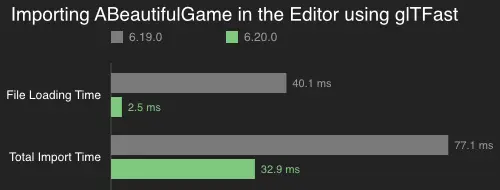
glTFast 6.20.0 speeds up Unity editor import of glTF models with many external textures.
Practical Unity tooling update, directly usable.
freemocap is an open-source markerless motion capture toolkit using standard webcams.
Tangential tool, not core Unity/procgen/agent focus.

A planetary-scale terrain generator uses a GAN trained on terrain patches with a WFC-inspired loss; author seeks a new project name.
WFC/ML terrain generation overlaps your procedural work.

A simple tool generates side-view fantasy cave backgrounds from noise, with adjustable palettes, lighting, and dithering.
Small procedural generation toy, niche but on-topic.

A dev stress-tests their strategy game engine by rendering a million cheap ragdoll units alongside optimized unit rendering.
Unity performance engineering for large-scale sim rendering.
A Unity strategy game keeps dead soldiers visible by freezing ragdoll physics into combined, simplified meshes instead of running sims forever.
Unity architecture/performance trick for systemic battle games.

A browser Show HN project generates pixel-art city night scenes paired with procedurally generated lofi music.
Procedural generative art project, loosely relevant toy.

Simon Willison's keynote recap traces the major LLM developments and trends throughout 2026 so far.
Overview of AI/agent tooling trends from a trusted source.
2021 paper examining dual-process (fast/slow) reasoning framing applied to metacognition in AI systems.
Academic AI theory, low practical/agent-tooling value.
Shobr is a CLI that automates job searching via browser automation, event sourcing, and an LLM.
Generic LLM tool unrelated to dev/game interests.
A gamedev tutorial covers four CPU-only methods to generate human or goblin 3D characters for games without needing a GPU.
Practical AI content-generation tooling for indie gamedev.
A NYT piece describes a chance motel-room discovery relevant to theories about the origins of life.
Science curiosity but off-profile, low technical relevance.
Fakecloud is a local emulator of AWS services for running integration tests without real cloud infrastructure.
General dev tool, only tangential to your Unity/game stack.
Thorsten Ball lays out his views on how AI coding agents will reshape software development practice.
Opinion essay on agentic dev tooling you use daily.
Simon Willison vibe-coded a tool with Opus 5.5 to detect automated reply bots swarming his Bluesky posts.
New LLM-built tool discovery, matches your loved item.